Enhance Your Outdoor Environment: Professional Landscaping Advice for a Beautiful Residential Garden
Turning an exterior area into a beautiful residential landscape requires thoughtful strategy and deliberate action. By assessing the characteristics of a property, residents can define clear landscaping goals. Selecting vegetation that suit the regional conditions is vital. Furthermore, incorporating practical hardscaping elements improves both visual appeal and practical function. Yet, the undertaking doesn't finish there. Learning how to sustain beauty and sustainability can bring any garden to greater heights. What methods guarantee long-term success?
Assess Your Space to Define Your Landscaping Goals
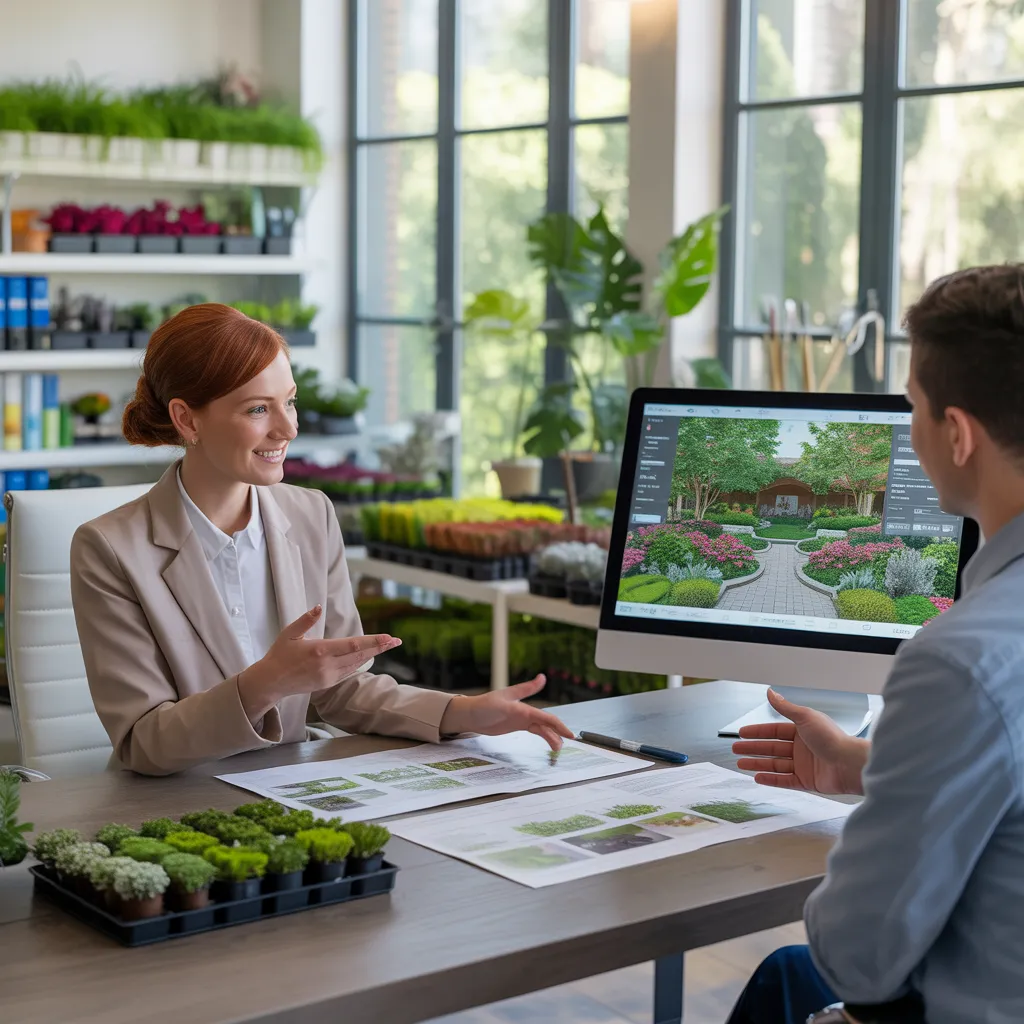
Before beginning any landscaping project, it is vital for property owners to evaluate their outdoor space thoroughly. This first assessment allows them to comprehend the unique characteristics of their yard, including sunlight exposure, soil quality, and existing vegetation. Identifying these factors helps in determining what types of landscape features can be effectively integrated into the space.
Homeowners should take dimensions and document any barriers such as vegetation, fences, or pathways that may affect the design. Furthermore, understanding individual tastes and lifestyle needs—such as areas for entertainment, plant cultivation, or relaxation—can guide the landscaping goals. By specifically establishing these objectives, homeowners set a solid base for a cohesive and functional exterior area. This careful evaluation ultimately leads to a more rewarding and successful landscaping project, ensuring the exterior environment improves not only the property's visual appeal but furthermore meets the practical needs of its residents.
Choose the Right Vegetation for Your Regional Conditions
Determining ideal vegetation for a particular region is vital for establishing a flourishing exterior environment. Understanding local weather patterns, such as temperature ranges, rainfall, and humidity, helps property owners choose plants that will flourish. Indigenous vegetation often adapt most effectively, needing minimal maintenance and water. As an example, drought-resistant varieties are ideal for arid regions, while moisture-loving species thrive in humid climates.
Gardeners should also take into account seasonal changes; choosing vegetation that offers continuous appeal enhances the landscape. Spring-flowering plants, warm-season vegetation, and vibrant fall foliage can create a dynamic visual experience. Additionally, consulting regional nurseries or extension services can offer helpful information into hardy plant varieties adapted for particular environments.
In the long run, a well-planned vegetation arrangement improves not just visual appeal but additionally promotes local wildlife and promotes ecological health, which makes it a smart decision for every outdoor space transformation.
Enhance Your Garden With Functional Hardscaping Elements
Functional hardscaping elements prove vital in defining outdoor spaces and increasing their functionality. By integrating seating zones and well-designed pathways, homeowners can create inviting environments that encourage rest and activity. Additionally, borders can help delineate different zones within the garden, providing organization and visual interest.
Establish Your Outdoor Setting
Creating a thoroughly structured outdoor space can renovate a yard into a welcoming retreat. One proven method to achieve this is through practical landscape features, which provide organization and arrangement. Walkways made from brick or stone guide visitors while enhancing aesthetics. Retaining barriers can form tiered levels, improving the landscape's appearance and preventing soil degradation. Barriers or lattices can mark borders, providing privacy and a feeling of containment. Adding elevated planting areas not only establishes growing zones but also improves accessibility. These elements function together to establish separate areas that improve both visual appeal and practicality. Ultimately, a well-organized outdoor space fosters a serene environment where homeowners can relax and enjoy nature.
Include Sitting Spaces
Incorporating sitting zones into an outdoor space greatly enhances its usability and appeal. By incorporating practical hardscape features, homeowners can create inviting spots for relaxation, socializing, or enjoying nature. Selections range from seating, outdoor furniture, or hanging seats, each enriching the landscape's visual appeal and comfort. Strategically placing seating near focal points, such as flower beds or water features, inspires visitors to interact with their surroundings. Additionally, choosing materials such as wood or stone can match the landscape's aesthetic, creating design harmony. Shade structures, such as pergolas or umbrellas, deliver relief during summer seasons, enabling these spaces to function year-round. Ultimately, thoughtfully created sitting zones elevate a standard yard into a welcoming retreat for family and friends.
Create Pathways And Borders
Borders and pathways function as vital aspects in outdoor landscaping, conducting guests across the garden while strengthening its design quality. They support structure and direction, enabling the differentiation of distinct spaces and planting types. Brick, stone, or gravel options can establish durable routes, while borders derived from decorative barriers or plants enhance decorative quality. Pathways can inspire discovery, highlighting spots such as planting areas or water installations. Well-maintained borders prevent weed encroachment and ground deterioration, enhancing garden wellness. When combined, pathways and borders improve practicality while increasing aesthetic refinement of your outdoor area, rendering locations more inviting and delightful.
Design Movement Through Pathways and Seating Zones
A carefully organized outdoor environment frequently presents a natural flow produced through strategically positioned walkways and seating spaces. Walkways navigate visitors within the garden, forming a distinct sense of progression while boosting the complete aesthetic quality. Incorporating choices like stone, wood, or gravel can enhance the walkway's charm and guarantee longevity.
Sitting spaces create pause areas, inviting guests to sit and value the surroundings. Positioning seating strategically beside focal features, like a waterfall or a flower display, promotes involvement with the garden. Your seating preference—benches, chairs, or even lounges—influences the vibe, whether casual or sophisticated.
Incorporating both pathways and seating fosters an inviting environment, enhancing usability and enjoyment. Together, they create a seamless shift between different areas of the garden, promoting exploration and relaxation, ultimately transforming any outdoor space into a tranquil retreat.
Infuse Your Garden With Seasonal Color and Texture
To improve the aesthetic quality of a landscape, thoughtful choosing of seasonal varieties is critical. Combining various textural qualities can bring dimension and engagement, as well as carefully positioned highlights can capture attention and develop a unified composition. All these aspects combined assure a lively and engaging exterior environment all year long.
Select Seasonal Plants with Care
Choosing seasonal plants with care can transform any garden into a vibrant tapestry of color and texture. By picking plants that bloom at different times throughout the year, gardeners can guarantee a continuous display of beauty. Spring-flowering specimens, summer annuals, autumn perennials, and winter evergreens each deliver unique color palettes and structures to the landscape. It is vital to remember local environmental conditions and ground composition, as well as the plants' growth patterns. Native species often thrive better and require less maintenance, increasing biological diversity. Additionally, combining plants with varying heights and bloom times can create a dynamic visual effect. Ultimately, thoughtful selection fosters a landscape that evolves seasonally, offering a delightful experience year-round.
Build Textural Interest To Add Depth
Generating garden depth involves layering textures that complement and enhance seasonal color. By incorporating a variety of plants with differing foliage shapes, sizes, and colors, one can establish a dynamic garden composition. For instance, combining full-leaved plants with thin-bladed grasses can produce visual contrast and allure. Additionally, weaving in bark, gravel, and ecological materials introduces sensory features that strengthen the garden experience. Seasonal blooms should be strategically situated to provide bursts of color throughout the year, ensuring that each layer remains visually interesting. This thoughtful arrangement not only captures attention across the landscape but also builds an engaging setting where every detail contributes to the garden's beauty and harmony.
Establish Focal Points Strategically
Strategically incorporating focal points can markedly enhance a garden's aesthetic appeal and seasonal vibrancy. These focal points serve as anchors that draw the eye and create a cohesive design. Gardeners can use elements such as sculptures, ornamental trees, or vibrant flower beds to establish visual appeal. Flowering displays can be infused through the careful selection of plants that bloom at different times, guaranteeing the garden stays vibrant all year long. Texture variations also matter greatly; mixing sleek pathways with textured bark or verdant leaves adds key information depth. By thoughtfully placing these elements, a gardener can establish a welcoming environment that promotes discovery and enjoyment, converting a yard into a captivating sanctuary.
Embrace Eco-Friendly Practices to Establish a Flourishing Garden
Embracing sustainable approaches is essential for fostering a flourishing garden that succeeds in harmony with the environment. Growing enthusiasts are recommended to leverage naturally-occurring vegetation, which demand lower moisture and care while strengthening community fauna. Implementing sustainable cultivation practices, such as compost-based methods and organic pest solutions, can greatly reduce chemical applications, creating a healthier ecosystem
Water-efficient techniques, comprising efficient water delivery and water collection systems, improve green practices by enhancing resource use. Mulching conserves moisture additionally reduces weed growth, decreasing the requirement for herbicides. Furthermore, promoting plant variety by incorporating diverse plant species fosters resilience to pest infestations plus plant diseases.
Soil health is critical; practices such as crop rotation and cover cropping keep nutrient content excluding the need for chemical fertilizers. Through implementing these green practices, gardeners can develop a thriving area that fosters both plants and the environment, creating an enhanced gardening experience.
Resolve Standard Issues to Preserve Continuous Garden Aesthetics
A carefully-tended garden can face many difficulties across seasons, impacting its general beauty and health. Typical problems consist of pest outbreaks, lacking minerals, plus limited water. Detecting pests in advance is critical; growing enthusiasts should frequently review vegetation for injury marks as well as manage pest problems applying organic solutions alternatively bringing in helpful insects.
Nutrient deficiencies frequently manifest as leaf yellowing and slow growth. Conducting soil assessments can assist pin down specific requirements, permitting to enable targeted fertilization to return equilibrium. Additionally, maintaining correct watering is vital; overwatering can cause root damage, while underwatering challenges vegetation.
Seasonal changes also necessitate adjustments to maintenance. During winter, applying mulch shields root areas against frost, whereas the summer season may necessitate more water as well as shaded areas to protect sensitive plants. Through addressing such standard difficulties promptly
Is it Better to Do Landscaping Myself or Employ a Expert?
Certainly, you can handle garden work yourself, leveraging web-based guides and creativity. Nonetheless, bringing in a professional ensures proficiency, speed, and potentially superior results, specifically for advanced designs or larger projects requiring expert knowledge.
What Vital Implements Are Important for Residential Landscaping?
Required equipment for yard landscaping contain a rake, spade, spade, hedge shears, cultivator, and a irrigation hose or sprinkler can. These equipment help in efficiently managing dirt, greenery, and complete garden maintenance, guaranteeing quality landscaping.
What's the Optimal Strategy to Preserve My Yard Across the Calendar Year?
If you want to maintain a landscape year-round, routinely pruning greenery is important, using mulch for insulation is important, checking hydration levels is vital, and establishing seasonal planting approaches is advisable. Moreover, insect control and fertilization are essential for vibrant, healthy growth.